cncworksindia.com

3D CNC Door Designs for Modern Wooden Doors

Discover CNC door Introduction

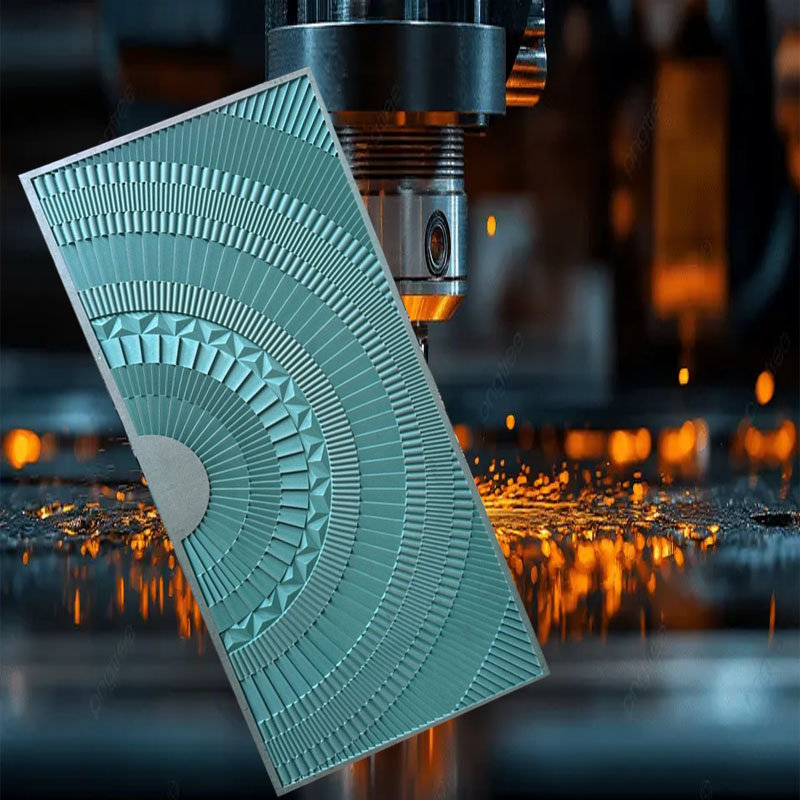
A well designed wooden door does much more than provide security. It creates the first impression of a home, office, or commercial space. Over the last few years, CNC Door manufacturing has transformed the way wooden doors are designed and produced. With advanced CNC technology, it is now possible to create intricate patterns, precise carvings, and stunning 3D door designs that were once difficult and time consuming to achieve by hand.

Whether you are building a new home or renovating an existing space, understanding how CNC doors are made and what benefits they offer can help you make a better decision. This guide explains everything you need to know about CNC door designs, materials, applications, and best practices.r designs, 3D wooden door patterns, benefits, materials, and expert tips for modern homes and interiors.

What Is a CNC Door?

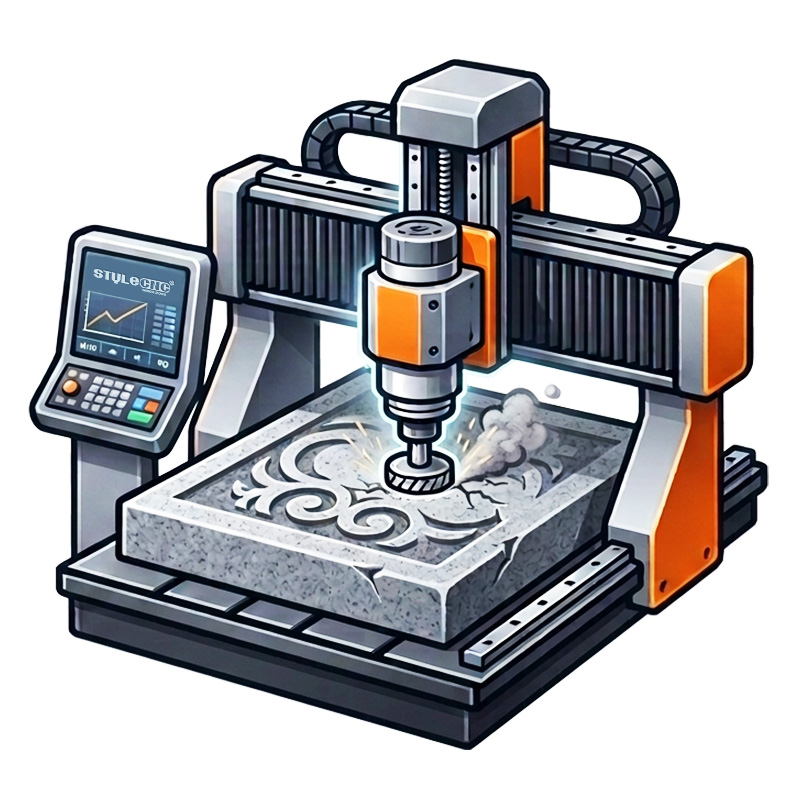
A CNC Door is a wooden door designed and manufactured using Computer Numerical Control technology. This process uses computer guided machinery to cut, carve, engrave, and shape wood with exceptional precision.

Unlike traditional hand carving methods, CNC machines can produce detailed patterns consistently across multiple doors. This makes them ideal for both custom projects and large scale production.

The result is a wooden door that combines craftsmanship, accuracy, and modern design possibilities.

CNC Door Manufacturing Parameters for Wooden Work

When manufacturing a CNC Door, machine settings play a critical role in achieving clean cuts, detailed carvings, and smooth surface finishes. Many beginners focus only on design, but experienced CNC operators understand that feed rate, spindle speed, and depth of cut directly affect the final quality of a Wooden Door.

Based on practical CNC woodworking experience, the following parameters are commonly used for different materials.

Recommended Feed Rate for Wooden Door CNC Work
Material Type Roughing Feed Rate Finishing Feed Rate
Soft Wood such as Pine and Cedar 2000 to 4000 mm/min 800 to 1500 mm/min
Hard Wood such as Teak and Oak 1000 to 2500 mm/min 500 to 1000 mm/min
MDF and Plywood 2500 to 5000 mm/min 1000 to 2000 mm/min
Acrylic and Composite Wood 800 to 1500 mm/min 400 to 800 mm/min
Recommended Spindle Speed

The spindle speed should be adjusted according to the material being machined.

Material RPM Range
Soft Wood 15000 to 20000 RPM
Hard Wood 12000 to 18000 RPM
MDF 18000 to 24000 RPM
Recommended Depth of Cut

For efficient machining and longer tool life, operators generally use the following depth settings.

Soft Wood: 3 mm to 6 mm per pass

Hard Wood: 1 mm to 3 mm per pass

MDF and Plywood: 3 mm to 5 mm per pass

Feed Rate Calculation Formula

Professional CNC operators often use the following formula to calculate feed rate:

\text{Feed Rate} = \text{RPM} \times \text{Chip Load} \times \text{Number of Flutes}

Typical chip load values are:

2 flute cutter: 0.1 mm to 0.2 mm
4 flute cutter: 0.05 mm to 0.1 mm
Practical Industry Insight

For decorative 3D CNC Door carving, reducing the feed rate slightly during finishing passes often produces sharper details and cleaner edges. In high end Wooden Door manufacturing, many workshops perform a roughing pass first and then use a separate finishing pass to achieve a premium surface quality.

This approach improves accuracy, reduces sanding time, and helps maintain consistency across multiple doors in large production runs.

Scroll to Top